
Browse by anime
Anime food recipes by series
Pick a universe to find step-by-step Japanese recipes tied to the scenes — from Naruto's post-training ramen and Spy x Family stews to Ghibli bento, Food Wars test-kitchen dishes, Demon Slayer comfort food, and Dungeon Meshi camp cooking.

Studio Ghibli
スタジオジブリ
Legendary animated films where food is a character in its own right — from steaming bento boxes to magical cakes that heal the soul.
View recipes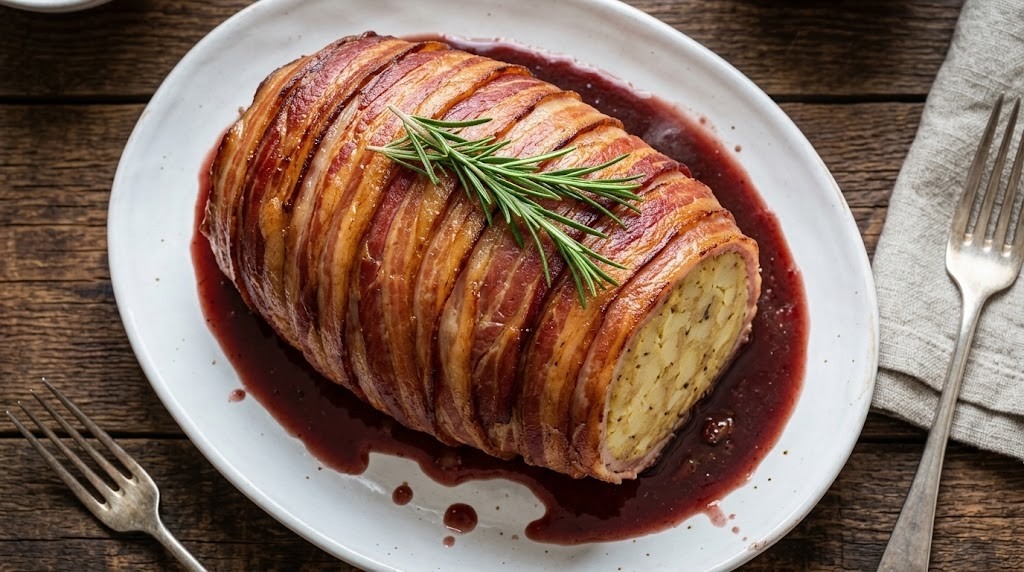
Food Wars! (Shokugeki no Soma)
食戟のソーマ
Elite culinary school battles where every dish is pushed to its absolute limit with explosive flavors and dramatic presentation.
View recipes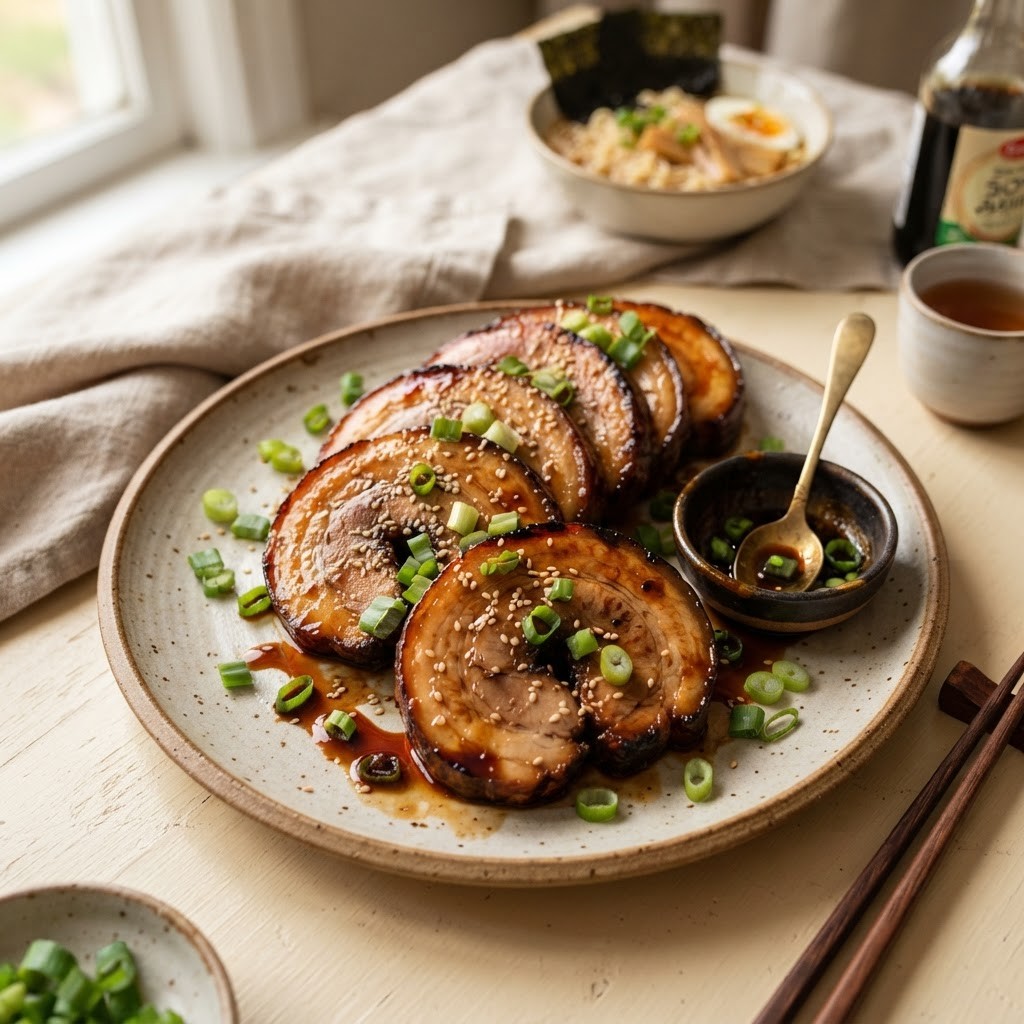
Dungeon Meshi (Delicious in Dungeon)
ダンジョン飯
Adventurers cook monsters into gourmet meals deep underground, turning fantasy ingredients into real-world Japanese comfort food.
View recipes
Naruto
ナルト
From Ichiraku Ramen to festival dango, Naruto's world is packed with iconic Japanese street food and homestyle favorites.
View recipes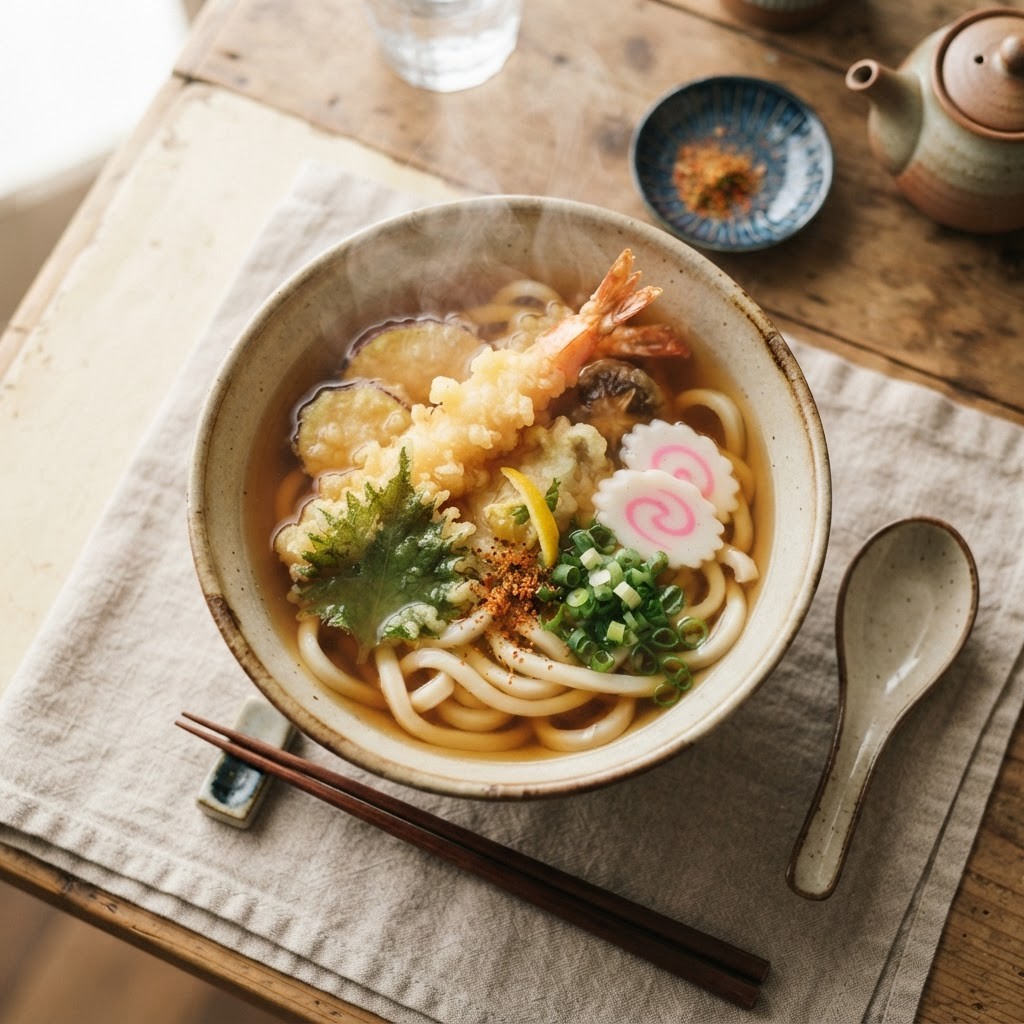
Demon Slayer (Kimetsu no Yaiba)
鬼滅の刃
Taisho-era Japan brought to life with udon shops, sakura mochi, and hearty meals shared between demon slayers and civilians.
View recipes
Spy x Family
スパイファミリー
Cold War espionage meets domestic bliss — Yor's earnest cooking and Anya's chaotic appetite fuel some of anime's most meme-worthy meals.
View recipesHow we recreate dishes from each universe
Anime food is rarely random decoration. Ramen stalls, school canteens, Taisho-era kitchens, and fantasy campfires each imply a real cooking tradition — usually Japanese home cooking, street food, or a historical regional plate adapted for drama. Our hubs sort recipes by series so you can compare how Naruto's hearty bowls differ from Ghibli's quiet obento or Dungeon Meshi's dungeon-foraged hotpots.
Every show page links to tested recipes with honest prep times, pantry and equipment guides, and notes on what the anime exaggerated for story. Pierre Le Maguer cooks each dish in a real home kitchen — not a studio set — so times and yields reflect what actually happened on the stove.
We favor techniques you can run without professional gear: dashi and miso bases, a rice cooker or donabe when the recipe truly needs it, and clear substitutes when a scene calls for something impractical at home. Start with the series you love, then follow ingredient guides to stock the Japanese bottles worth keeping on the shelf.