
 45m
45mDragon Ball
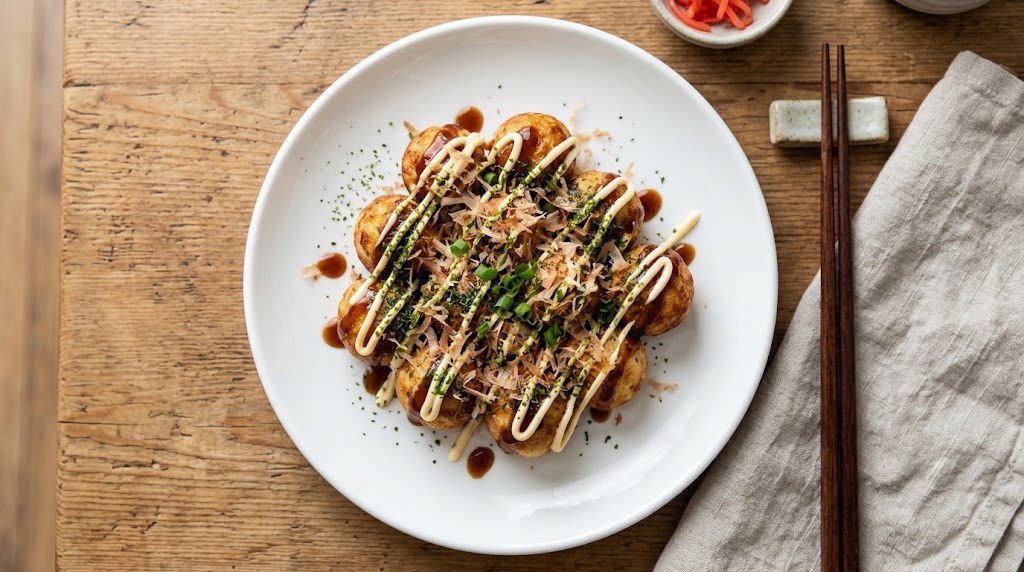
Dragon Ball Festival Takoyaki
Comfort Food Mains · Medium
Required for takoyaki shape
Used in 1 recipe on Anime Food Lab
Compare plug-in takoyaki makers and gas-burner plates with hemispherical wells — flood batter, tuck overflow while turning, and form round octopus balls. Covers wattage, removable plates, and stovetop Iwatani-style options for our Dragon Ball takoyaki recipe.
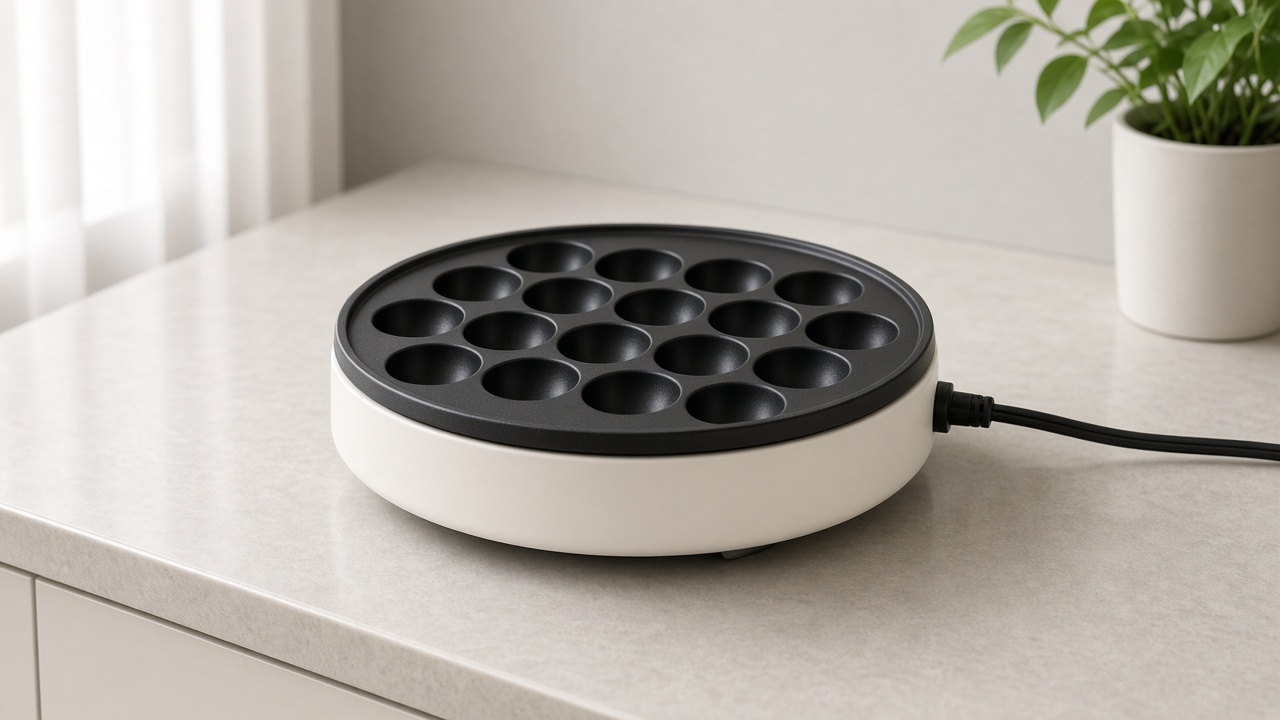
Standard skillets cannot form takoyaki — you need round wells and enough surface to flood batter, then rotate with picks. Choose either a **650–800 W electric maker** (steady heat for beginners) or a **gas-burner takoyaki plate** (street-style browning). This hub compares both paths for our Dragon Ball takoyaki recipe.
As an Amazon Associate, we earn from qualifying purchases — at no extra cost to you. Opens an Amazon search; prices vary. Affiliate disclosure.
Compact electric takoyaki maker (650–800 W)
Sub-$30 tabletop units — verify wattage on the label; skip under 650 W.
Amazon · See Amazon
Shop on AmazonIwatani-style cast takoyaki plate (gas)
Aluminum or cast plates for open flame — street-vendor shells, not plug-in heat.
Amazon · See Amazon
Shop on AmazonSilicone picks + oil brush kit
Turning picks and a small brush — avoid metal skewers on nonstick coatings.
Amazon · See Amazon
Shop on AmazonTakoyaki needs hemispherical wells — you flood batter across the whole surface and tuck overflow while turning with two picks (silicone or bamboo on nonstick). Muffin tins and skillets cannot form closed spheres.
Electric tabletop makers (budget ~$20–30): Look for 650–800 W on the spec sheet. Units under 650 W struggle to sear — batter steams and turns mushy instead of setting a crisp shell. 16–24 wells is the home sweet spot.
Removable vs. welded plates: Marketing loves “removable nonstick plates,” but most sub-$30 makers ship with welded, non-removable plates. Cleaning means wiping hot wells with a damp cloth while keeping the motor dry — the top user complaint. Paying one tier up for a detachable plate you can rinse in the sink is worth it if you cook takoyaki more than twice a year.
Gas-burner plates (authentic / pro ~$35–50): Iwatani-style cast or aluminum takoyaki plates sit on an open flame for street-vendor browning. This is not plug-in heat — you manage hot spots yourself. Use a wok ring on flat cooktops if the plate wobbles.
Accessories (~$10–12): A small oil brush plus silicone or bamboo turning picks — never metal skewers on nonstick coatings. Match picks to your shop column above.
Electric makers: Unplug and cool until the wells are warm, not hot. If the plate is removable, detach and hand-wash with a soft sponge; if welded in, wipe wells with a barely damp cloth only — never submerge the base or hose the motor housing.
Gas takoyaki plates (cast or aluminum): Rinse with hot water and a soft brush; skip harsh soap on seasoned cast. Dry on a low burner until all moisture is gone, then rub each well with a thin neutral-oil film before storage.