
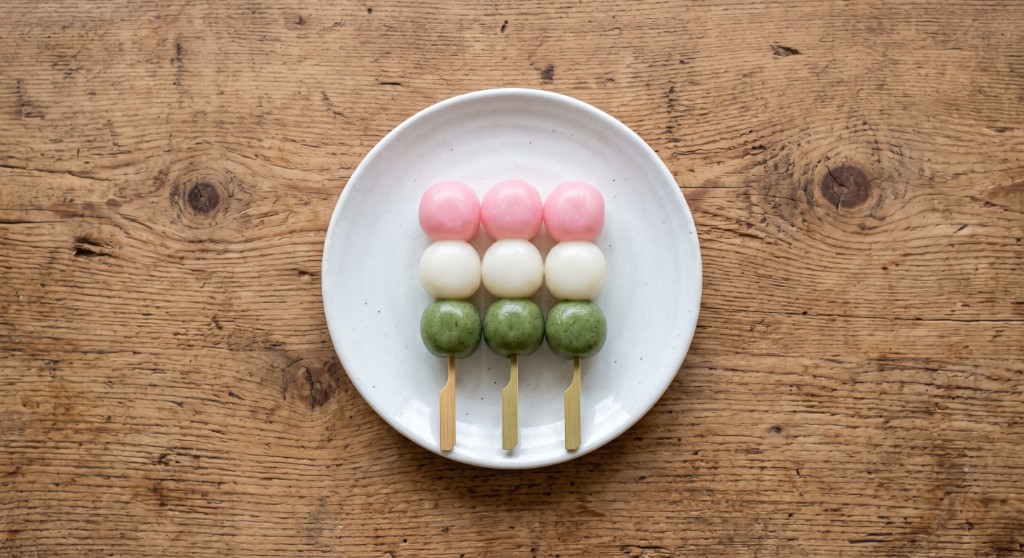
 20m
20mNaruto
Hanami Dango (Three-Color Dango)
Sweets & Desserts · Easy
白玉粉
Used in 1 recipe
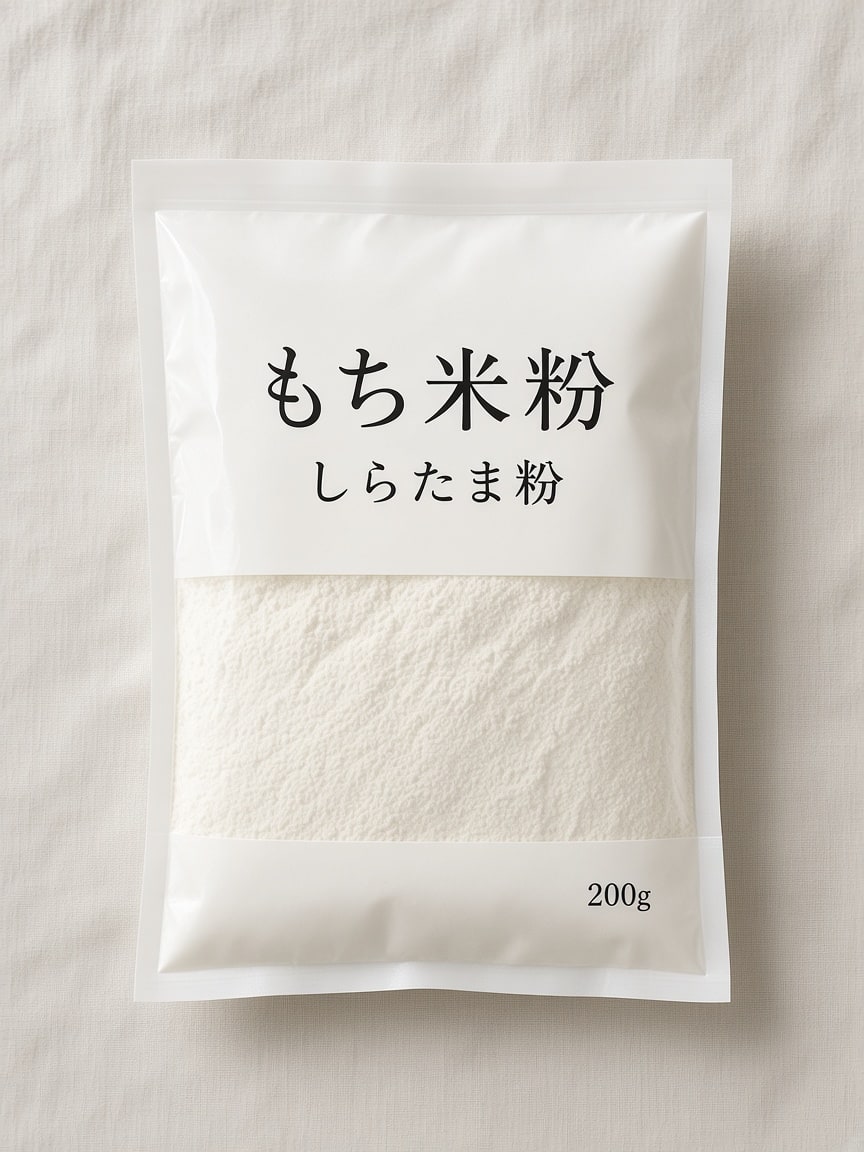
Glutinous rice flour for mochi, dango, and chewy desserts.
Provides the signature chew in wagashi and dumplings.
Shiratamako and mochiko are both glutinous rice flours, but they behave differently in wagashi. Shiratamako (白玉粉) is wet-processed and produces smoother, bouncier dango and mochi — the kind you see in Naruto festival scenes and Demon Slayer sakura sweets. Mochiko (餅粉) is dry-processed, slightly grainier, and more widely sold in North American Asian markets.
For three-color dango and sakura mochi on this site, shiratamako gives the clearer, softer chew associated with traditional wagashi. Mochiko works if you cannot find shiratamako; expect a slightly denser texture. Never substitute regular rice flour — non-glutinous flour will not gel and produces a crumbly, wrong result.
Buy from Japanese grocers or online; Bob's Red Mill sells "sweet white rice flour" that functions like mochiko. Store sealed in a cool, dry place; glutinous flours absorb moisture and can clump. Use within six months of opening for best texture.
Sweet rice flour from Asian markets; not interchangeable with regular rice flour.
Seal tightly in a cool, dry pantry; avoid humidity which clumps the flour.
Best within 6 months of opening.
As an Amazon Associate, we earn from qualifying purchases — at no extra cost to you. Opens an Amazon search; prices vary. Affiliate disclosure.