 20m
20mNaruto
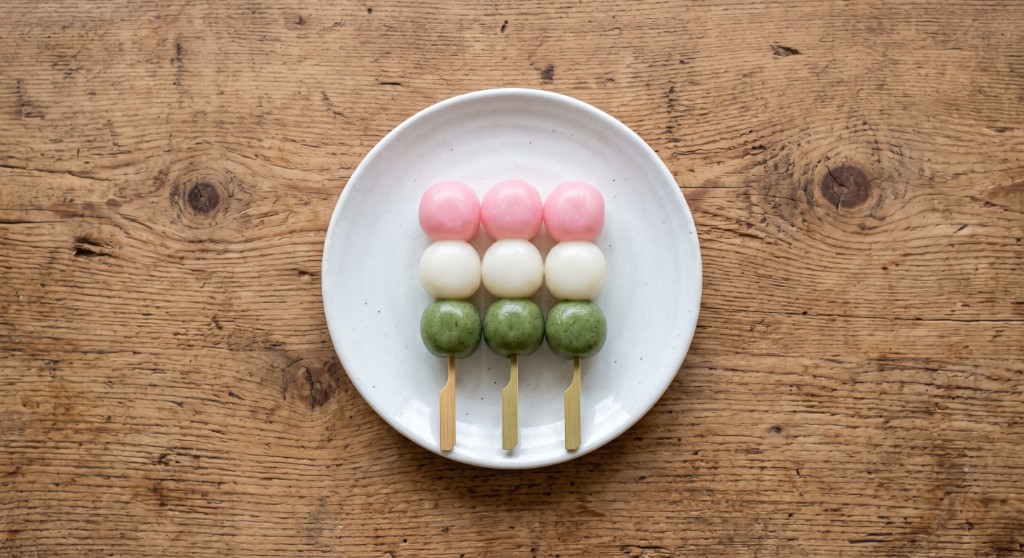
Hanami Dango (Three-Color Dango)
Sweets & Desserts · Easy

Sakura mochi is spring wagashi at its most photogenic — blush-pink glutinous rice hugging sweet red bean paste, wrapped in a salted cherry leaf that perfumes every bite. In Swordsmith Village Arc Episode 10, a flashback shows young Mitsuri presenting her stunned parents with a bowl piled high with these pink, leaf-wrapped cakes — the grainy Kansai style you see on screen.
Official databook lore: Koyoharu Gotōge notes Mitsuri's hair turned pink and green because she ate 170 sakura mochi every day for eight months — the kind of detail fans remember. This home recipe uses mochigome in a rice cooker (not the Kyoto classic dōmyōjiko — see FAQ), tinted pale pink, then lightly pounded so grains stay visible.
Plan about 90 minutes plus one hour resting so the leaf aroma transfers. Use the sweet-rice water line in your cooker — never the white-rice line — or the rice turns to glue.
Recipe ingredients
Pantry staples
Salt, oil, butter, and other basics you likely already have — scaled with servings above.
As an Amazon Associate, we earn from qualifying purchases — at no extra cost to you. Opens an Amazon search; prices vary. Affiliate disclosure.
Stir 1 tbsp sugar into 5 tbsp warm water until dissolved. Set aside — you will dip hands and utensils in this throughout assembly.
Shortcut: roll 200 g canned koshian into eight balls (about 2 tsp each). From scratch: soak 1/2 cup azuki beans 6 hours, boil and drain once, then simmer in fresh water 45–90 minutes until soft. Mash with 1/4 cup sugar and a pinch of salt; cook on low until thick enough to roll. Cool before shaping.
Rinse pickled sakura leaves under lukewarm water 20 minutes to remove excess salt. Pat dry. Trim stems if needed. If using shiso instead, wash and dry eight small leaves.
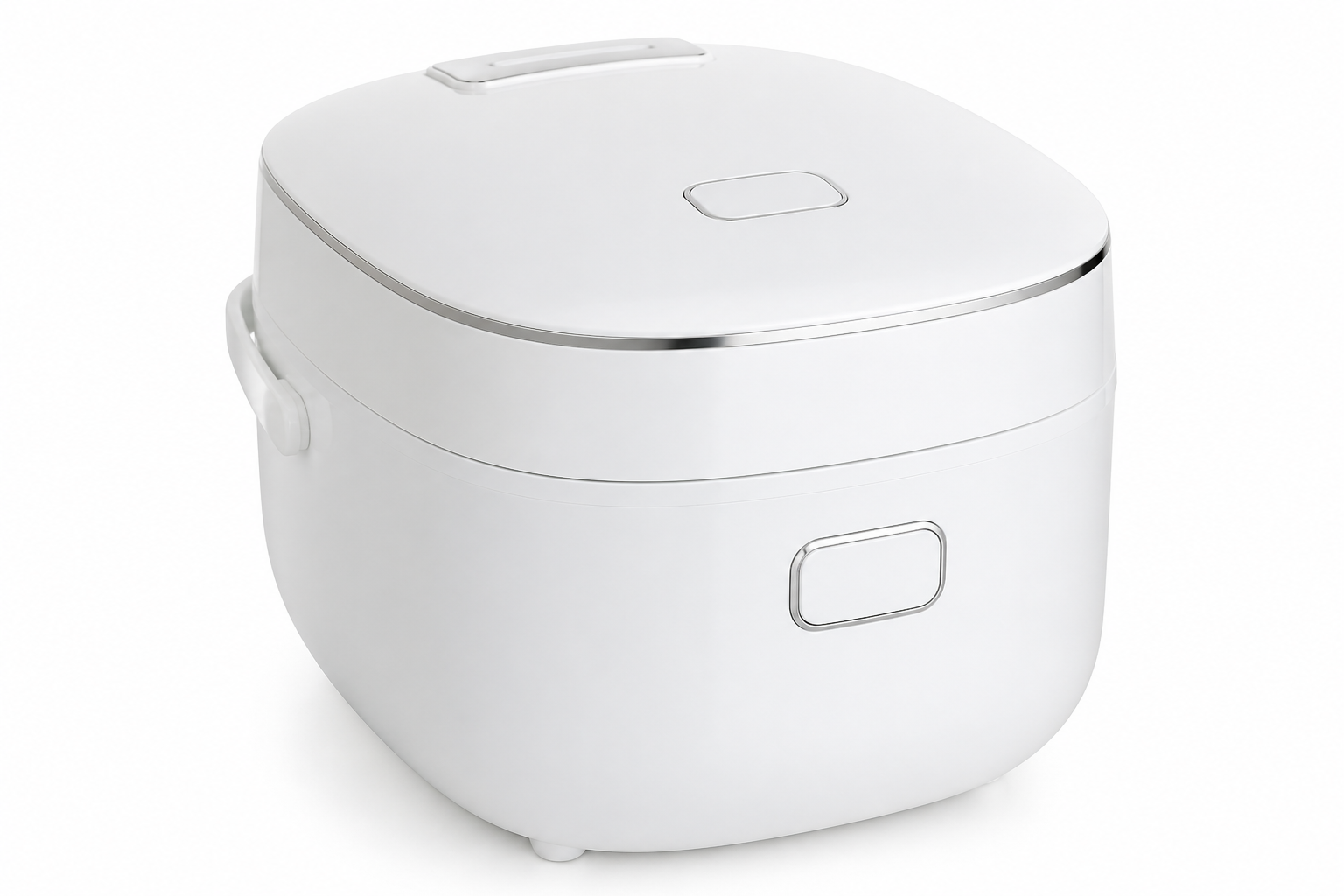
Wash 1 rice-cooker cup mochigome until water runs almost clear. Mix 1–2 drops red food coloring into 2 tsp water; swirl into the pot with 1 tbsp sugar until the soaking water looks pale pink. Add water only to the Sweet Rice / okowa line on your cooker — or ¾ cup (150 ml) for 1 cup mochigome. Do not use the standard white-rice water level. Optional soak up to 30 minutes (not a long white-rice soak). Cook on the sweet/glutinous rice setting if your cooker has one; otherwise regular cycle with the lower water line.
While hot, wet a rice paddle in sugar water and pound the rice briefly — about one minute — until sticky but still grainy. Divide into eight equal portions. Roll each into a rough oval with sugared hands.
Lay cling film on the board; brush with sugar water. Place one rice oval, flatten into a thin oval thicker in the center, add an anko ball, fold rice over the filling, and seal edges through the film into a smooth ball.
Place each mochi on the veined side of a cherry leaf (stem end toward the base). Fold the leaf over the rice. Repeat for all eight.
Let mochi rest at least 1 hour so leaf fragrance infuses the rice. Serve at room temperature the same day for the best texture.
Mix 1 tbsp sugar with 5 tbsp water as sugar water — dip hands and tools to prevent sticking. Mochigome needs less water than table rice: fill to the Sweet Rice / okowa mark, or about ¾ cup (150 ml) water per 1 rice-cooker cup mochigome. When flattening rice, keep the center thicker than the edges so dark anko does not show through. Perilla (shiso) leaves work if sakura leaves are unavailable. Do not over-pound; one minute with a wet paddle is enough. Express shortcut: 150 g shiratamako steamed with sugar and water — smoother, no rice cooker (see FAQ).
Best the day they are made. Store airtight at cool room temperature up to 24 hours. Refrigeration hardens the rice — bring to room temperature before eating. Freeze up to one month; thaw and microwave briefly to restore softness.
Plain green tea or sakura tea — let the leaf salt and bean sweetness lead.