 35m
35mStudio Ghibli
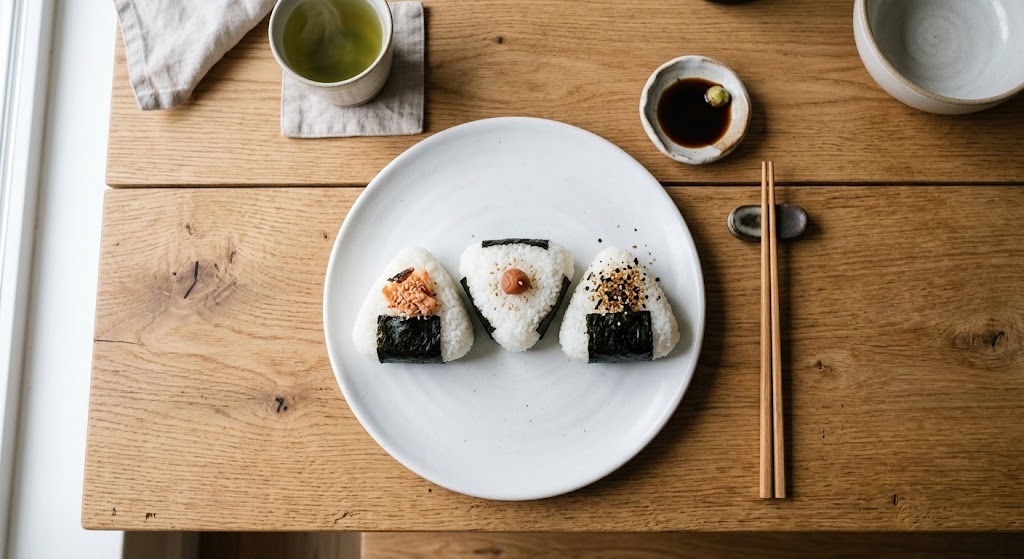
Spirited Away Onigiri (Spicy Tuna)
Bento & Rice Dishes · Easy
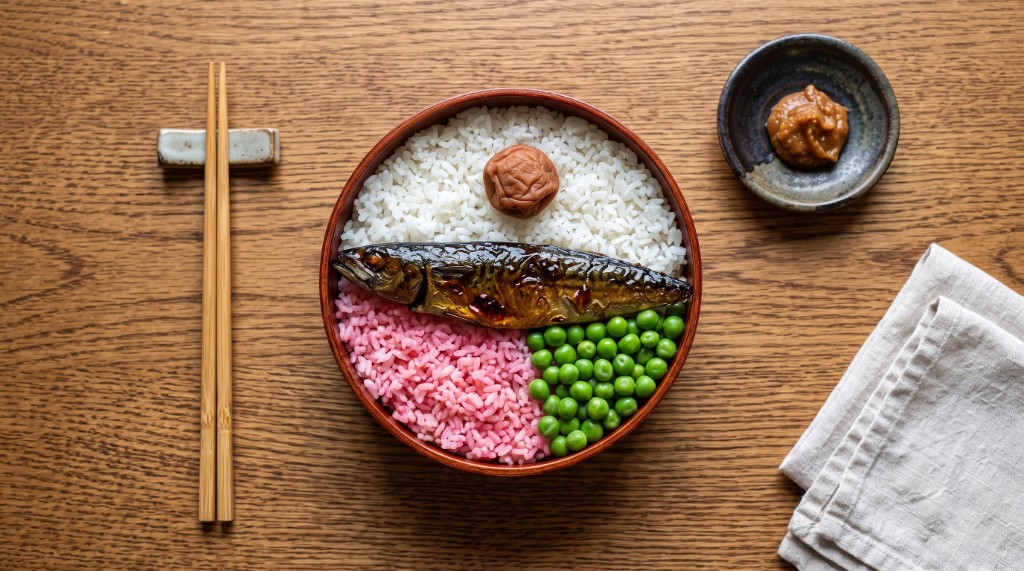
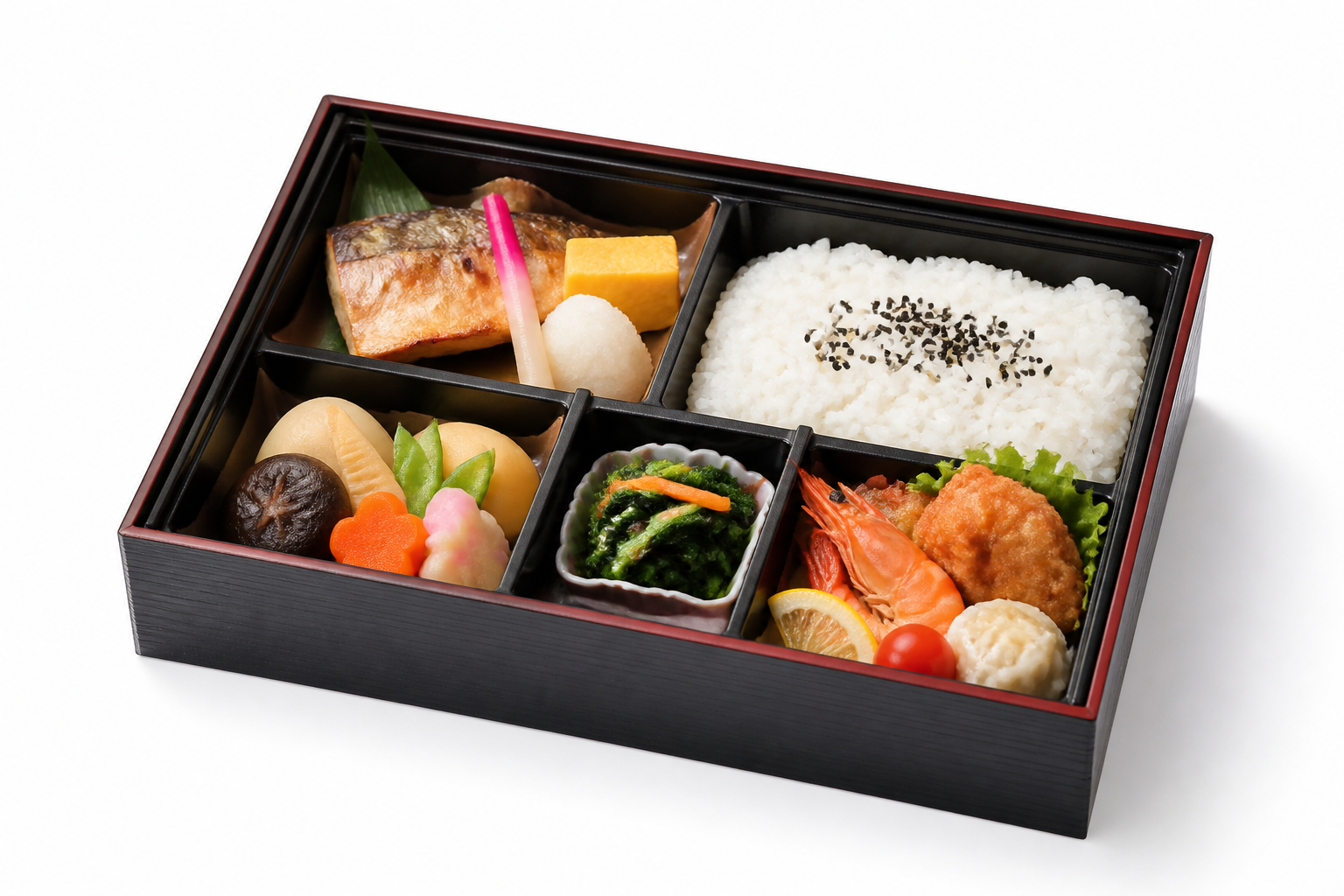
In My Neighbor Totoro, Satsuki's lunch box is deliberately modest — not a trendy charaben, but the kind of bento a twelve-year-old might pack for her little sister in 1950s rural Japan. White rice, one pickled plum, a grilled dried sardine, green beans, and pink fish flakes: sweet, salty, and tangy in every bite.
The umeboshi sitting in the center turns this into a hinomaru bento, named after the Japanese flag. Beyond symbolism, pickled plum was a practical choice when fridges were rare — its acidity helps keep rice from spoiling on warm afternoons.
This version follows what appears on screen. Start from dry koshihikari rice (amounts scale when you adjust servings), use store-bought sakura denbu, and grill mezashi on a stovetop pan if you lack a built-in fish grill — the film's hibachi moment is inspiration, not a requirement.
Recipe ingredients
or shelled edamame
Pantry staples
Salt, oil, butter, and other basics you likely already have — scaled with servings above.
As an Amazon Associate, we earn from qualifying purchases — at no extra cost to you. Opens an Amazon search; prices vary. Affiliate disclosure.
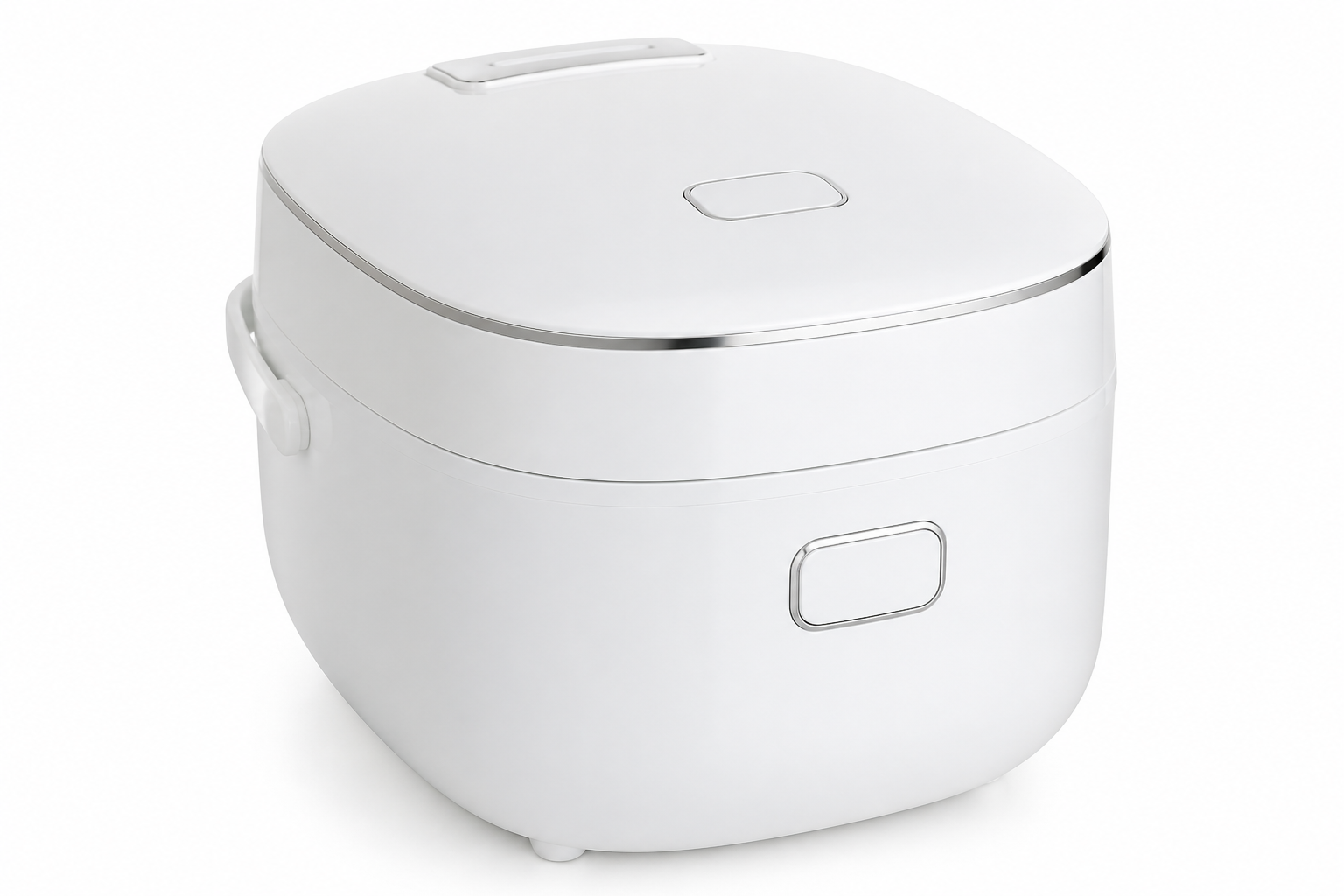
Rinse 1/2 cup koshihikari rice until the water runs mostly clear. Rice cooker: add 1/2 to 0.55 cup water and run the white rice cycle (~20 minutes). Stovetop: use 0.6 cup water (1:1.2), bring to a boil, cover, simmer 15 minutes on low without lifting the lid, then rest covered 10 minutes. Fluff and keep warm.
While the rice cooks, boil green beans in well-salted water 3–4 minutes until tender but still bright. Drain, pat dry, and toss with a pinch of kosher salt. Set aside.
Cook dried sardines on a fish grill or in an unoiled frying pan over medium heat, turning once, until lightly charred on both sides and crisp at the edges — about 2–3 minutes per side depending on size.
Fill your bento box (or a bowl) with warm steamed rice. Gently press one umeboshi into the center so it sits like the red disc on the Japanese flag. Do not bury it — visibility is part of the presentation.
Lay grilled mezashi across the center of the box, spanning rice and edge. Place salted green beans just below the fish. Spoon store-bought sakura denbu over the remaining open rice, filling the gap with pink flakes as in the film still.
Leave the lid off 5–10 minutes so steam escapes — hot rice condenses and makes fish soggy. Close, pack, and serve at room temperature or slightly warm.
If umeboshi tastes too sharp, try honey-coated (hachimitsu) plums. For sakura denbu substitutes, salmon furikake or mentaiko furikake work well. Never swap umeboshi for cherry tomatoes on warm rice — tomatoes break down quickly and can spoil the box. Let the bento cool before sealing so steam does not sog the rice.
Best eaten the same day, within a few hours at room temperature or refrigerated up to 24 hours. Do not microwave the umeboshi-topped rice section if you prefer crisp fish — reheat components separately or enjoy cold, as many Japanese bento are.
Green tea and Totoro on in the background — this lunch is built for a quiet afternoon under the camphor tree.