 35m
35mFood Wars! (Shokugeki no Soma)
Soma's Gyūdon (Beef Bowl)
Comfort Food Mains · Easy
だし
Used in 3 recipes
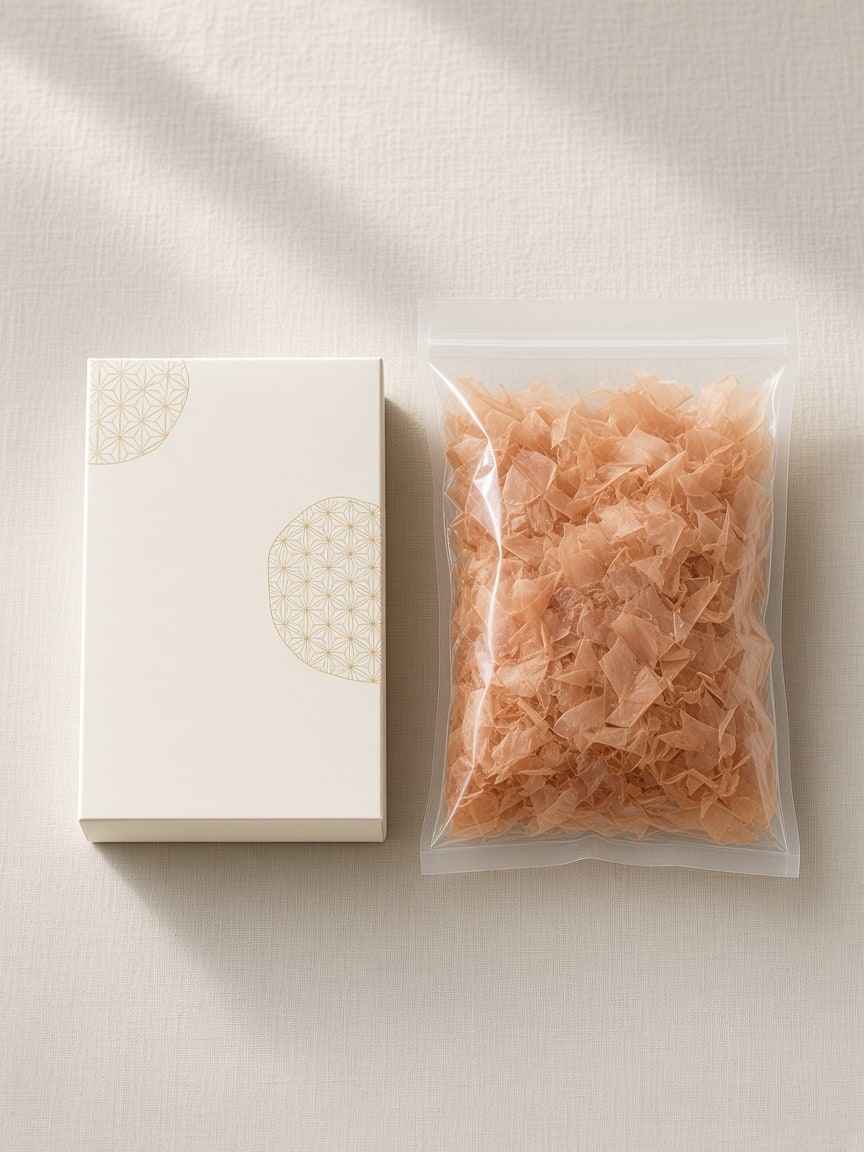
Umami foundation of Japanese cooking, usually kombu and katsuobushi based.
Base for soups, simmering liquids, and rice seasoning.
Dashi is the silent backbone of Japanese cooking — the umami layer behind miso soup, ramen broth, simmered vegetables, and seasoned rice in nearly every recipe on this site. Traditional dashi combines kombu (dried kelp) and katsuobushi (smoked bonito flakes): soak the kombu, heat gently, remove before boiling, then add bonito off heat and strain. The result is clean, oceanic, and subtly sweet.
Most home cooks — including those recreating Naruto ramen or Ghibli-style miso soup — start with instant dashi powder or dashi granules. Look for packages labeled "hon-dashi" or "katsuobushi dashi" from brands like Ajinomoto or Shimaya. Avoid cubes loaded with MSG alone; good instant dashi lists bonito and kombu in the ingredients. One teaspoon per cup of water is a standard ratio, but check your brand's label.
For vegetarian or vegan dashi, use kombu-only dashi (kombu dashi) or dried shiitake soaking liquid. Both work in udon broth and vegetable-forward Dungeon Meshi-style hotpots. Premium home cooks keep a bag of thick kombu and a bag of bonito flakes and make fresh dashi in ten minutes — the flavor difference is noticeable in clear soups.
Vegetable broth with a pinch of MSG, or mushroom broth for vegan dashi.
Use fresh dashi within 3 days refrigerated or freeze in ice cube trays.
Instant dashi powder: 6–12 months sealed.
As an Amazon Associate, we earn from qualifying purchases — at no extra cost to you. Opens an Amazon search; prices vary. Affiliate disclosure.